In crisis? You don't have to go through this alone. Help is free and available 24/7.

Our story

Same house. Same front door. Same belief Erika built it on.

House of Compassion was founded by Erika Peterson on May 5, 2012, in a home she gave up to make it possible. Fourteen years later, the same belief still runs the house she built.

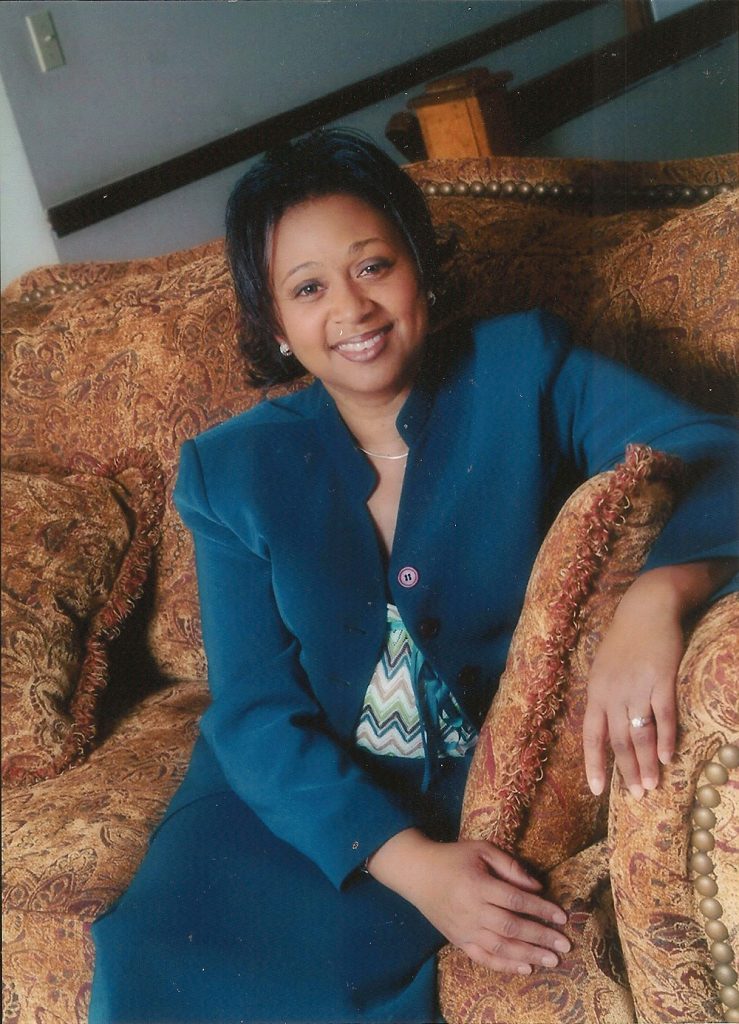
In memoriamErika Peterson, Founder of House of Compassion

Erika Peterson

Founder · 1970–2012

The beginning

Erika built it. The literal house.

Erika Peterson was, by every account from the people who knew her, a force. Short in height but mighty. She didn't take no for an answer. She was adventurous — motorcycles, travel, the kind of person who said yes to things most of us would talk ourselves out of. She spent the majority of her career working with children. She was a foster parent to many.

By 2012 she had a specific opinion about what was missing in residential care for adolescent boys. She had been a foster parent. She had worked the system from inside. She knew what worked and what didn't. And she had a picture in her head of a place that could give the boys something she felt the system rarely gave them: a strong foundation for a future, and love that knew when to be hard.

She gave up her own house to start HOC.

That sentence is not a metaphor. The first House of Compassion was, literally, her home. She handed the deed of her life over to make space for boys who didn't have one. She had survived breast cancer once. She knew she might not have a long time to do this. She did it anyway.

In the short time she had after HOC opened, Erika built something the boys could feel from the day they walked in. They immediately felt home from her. They were not residents in a program. They were kids who lived at Erika's house.

When she passed, many of those boys asked to speak publicly at her funeral. Teenage boys in residential care do not, as a rule, volunteer to speak at a stranger's funeral. They do it when they have been loved by someone in a way they have never been loved before.

That day, the team made a quiet decision. This was something special. We needed to continue it.

A short timeline

Fourteen years, one front door.

2012

A house becomes a home

Erika Peterson founds House of Compassion in Grandview, Missouri — opening May 5 in a home she gave up to make it possible. Original name: D.A.S.E. House of Compassion.

2012

A founder lost. A vision held.

Later that same year, Erika passes after a second battle with breast cancer. At her funeral, many of the boys she served ask to speak publicly. The team commits to continuing her work.

2014

First class of graduates

Two seniors complete the program and discharge to stable next placements. Both remain in contact with HOC.

2017

CARF accreditation

Three-year national accreditation awarded by the Commission on Accreditation of Rehabilitation Facilities. Renewed every cycle since.

2019

Consolidation

Operations consolidated into the current 16-bed home at 13900 Southern Rd. One front door — intentionally.

2024

Best in the area

Recognized in DSS region as one of the top placements by both case-worker referrals and the families HOC has served.

2026

Today

Sixteen boys at home. A team Erika never met carrying a vision she built in fourteen months. The work continues.

What we kept

Three pillars, non-negotiable.

When the team committed to continuing Erika's work, the question wasn't whether to grow or improve or professionalize — of course we would. The question was: what do we never, under any pressure, let go of? Fourteen years later, the answer is still three things.

Stability

Same house. Same staff. Same routines. Same expectations. Most boys in care have known too much churn — too many placements, too many faces, too many rules that kept changing. HOC's quietest promise is being the place that doesn't move.

Normalcy

Birthday cakes. School dances. Family-style dinners. Treating teenage boys like teenage boys, not patients. The thing that almost every other residential program loses, and that we have refused to lose for fourteen years.

Education

On-site instruction, certified teachers, credit recovery, IEP coordination, college tours for our seniors. A strong academic foundation is one of the few things every kid in care actually leaves with — when someone fights to make it happen.

Love (sometimes tough love)

Erika's words. The calm energy of the home, the staff who do not quit on a kid, the standards we hold them to even when nobody else has. Love made physical, in a place where most of these boys have never had it that way.

Who we actually serve

They are not who their case files describe.

The public hears “residential treatment for teen boys” and pictures delinquents. The truth is different. The story below is real, told in our President & CEO's own words. The other two are composite stories drawn from real residents.

The call that changed how we think about the work.

Arrived: New to care. Parents killed in a car wreck days before. No family available to take him.

Outcome: Sibling set. One bed. Two children losing their parents — and now losing each other.

"Many of the boys we serve are not criminals. They are, in too many cases, victims of terrible moments." — Sheldon N.

"Marcus" came in not speaking.

Arrived: Age 14. Three prior placements. Complex trauma history. Did not speak for the first eleven days at HOC.

Outcome: Age 15. Student council. Full sentences. Hugged his case worker on discharge day.

"He picked the kitchen first. Sat there for nine days. On the tenth, he asked for cereal."

"James" had been AWOL from three placements.

Arrived: Age 16. Six weeks on the run from a prior placement. Distrusted every adult in the room.

Outcome: Age 17. Zero AWOL events at HOC. Employed part-time. Showed up for his own discharge meeting.

"He cooked dinner for everyone in week three. Said it was the first kitchen he had been allowed in."

The team carrying it forward

Who runs the home today.

The hardest thing about leading a place whose founder is no longer here to consult is the weight of it. The answer, over time, was to build a team of people who treat HOC's legacy as their own — who have dedicated their careers to this kind of work, and who respect what Erika started.

Sheldon N., President & CEO

Sheldon N.

President & CEO

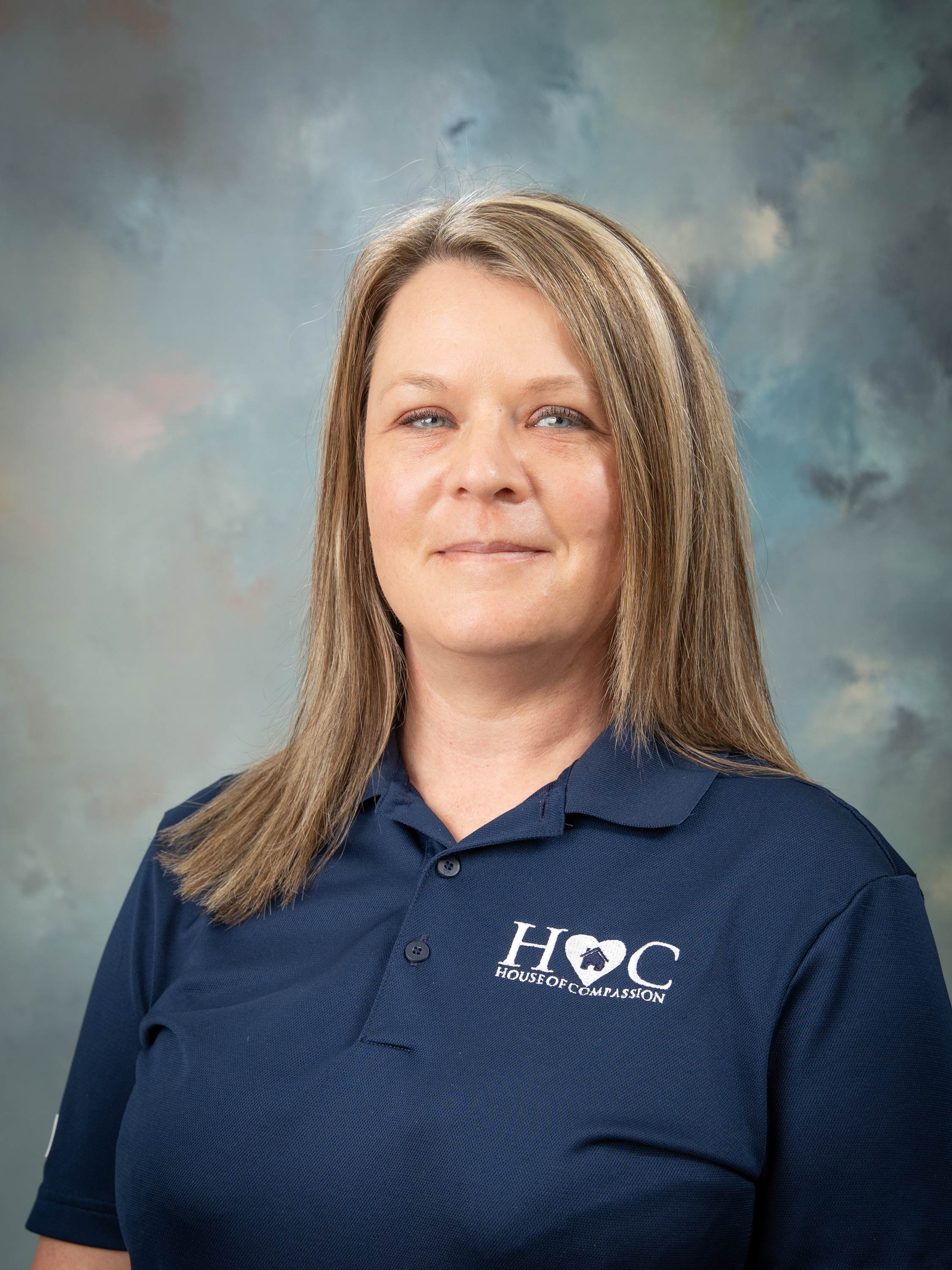
Michelle G., Executive Director · MSW, UMKC

Michelle G.

Executive Director · MSW, UMKC

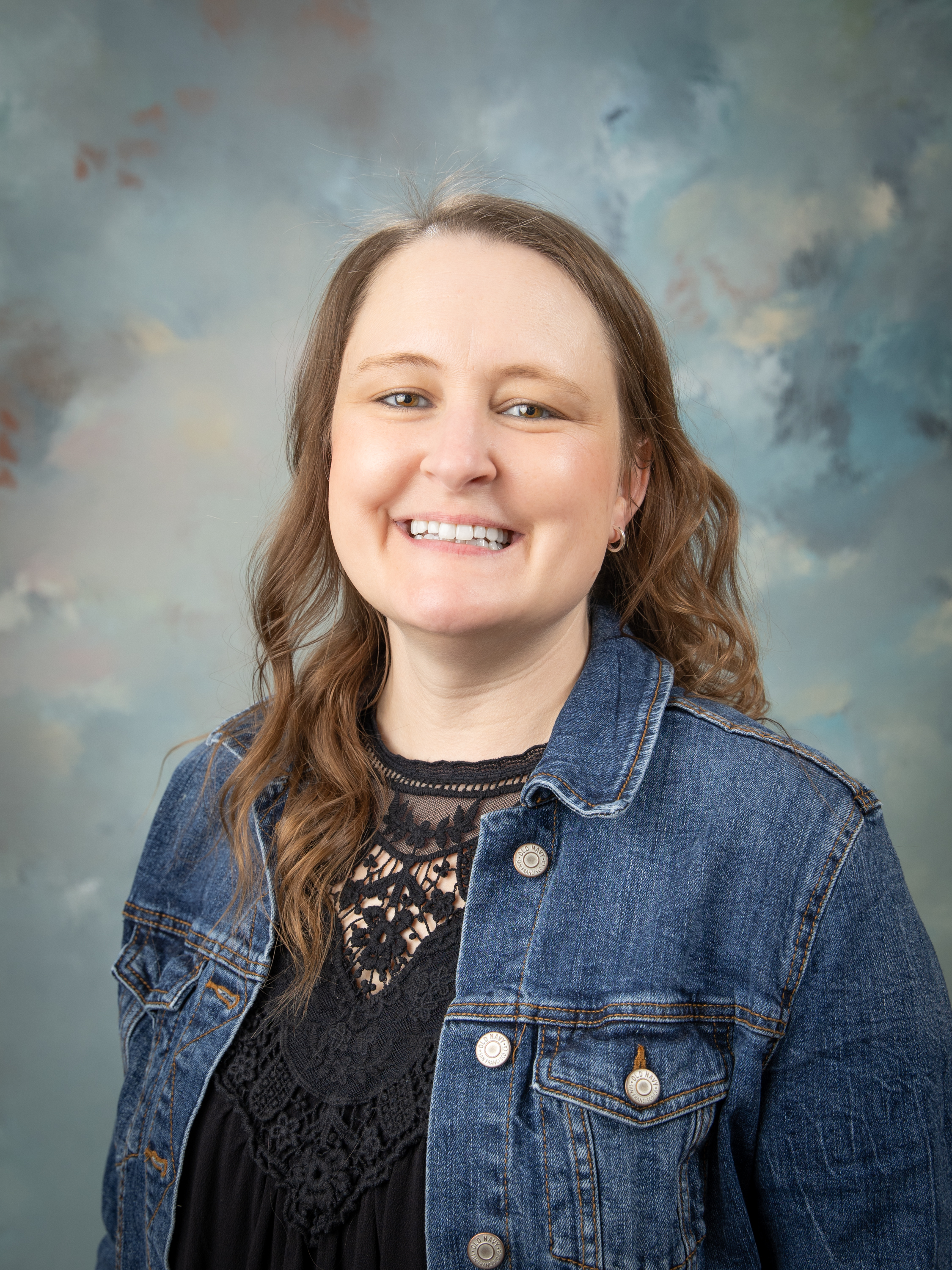
Kerin M., Program Coordinator

Kerin M.

Program Coordinator

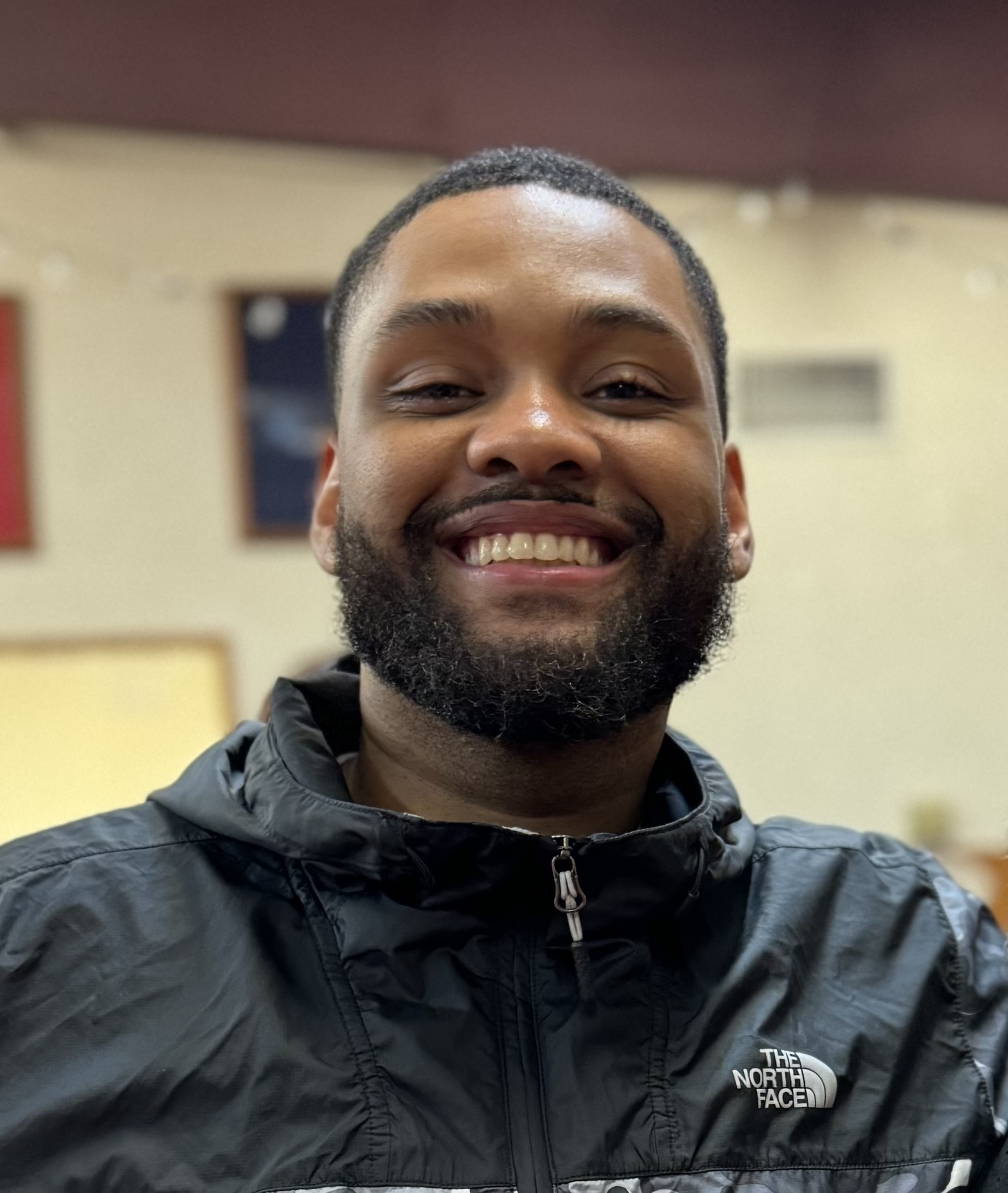
Deion P., Lead BHT

Deion P.

Lead BHT

+10 staff

Clinical, educational, recreational, and overnight team. Meet the full team →

Where we are now

Fourteen years in, the boys keep coming back.

The most powerful positive feedback we receive doesn't come from accreditation bodies or DSS audits or grant committees. It comes from the boys themselves. Past residents call. They visit. They leave reviews online. They tell us HOC was the best residential they ever lived at.That is the proof we trust above any other metric.

We hear it from case workers, too. They tell us HOC's admin team takes work off their plate that most providers refuse to touch. We don't do that because the contract requires it. We do it because it takes a village, and the village exists to serve the kid.

If Erika walked through HOC today, she'd feel the energy of the home is the same as her own house. We figured out how to bottle it and bring it to a bigger site. The thing she made in fourteen months — the warmth of a real home wrapped around real clinical care — has held for fourteen years.

The next fourteen years: the community knows Erika's name. The team is bigger. The clinicians are deeper. The boys served are double.

Be part of the next fourteen years.

Three ways: give, refer, work. Pick the one that fits.